Provizanto de Ĉina Alta Efikeco-Injekto-muldmaŝinoj


Kio estas la diferenco inter PET-preforma injektomuldmaŝino kaj norma injektomuldmaŝino?
junio 8, 2026
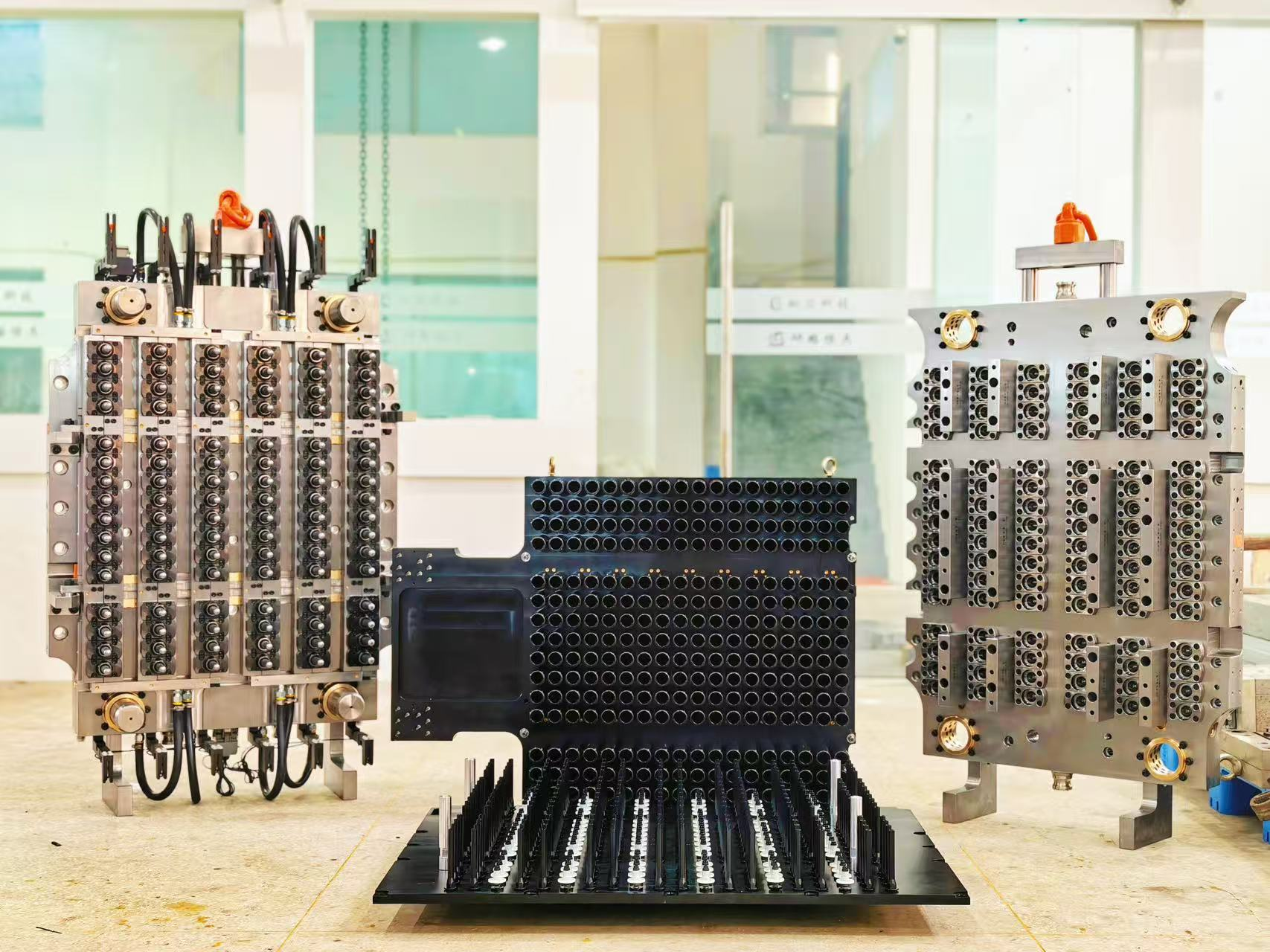
Profesiulo PET-preforma injektomuldmaŝino diferencas fundamente de ĝeneraluzebla norma injektomuldmaŝino, ĉar ĝi estas unike realigita por adaptiĝi al la specialaj fizikaj kaj kemiaj trajtoj de PET-rezino, kiujn ordinaraj maŝinoj ne povas plene akomodi. PET-materialo havas altan humidan sorbadon, sentema termika degenero, malalta fandita viskozeco, kaj striktaj postuloj por plastiga unuformeco kaj mulda rapido, ĉiuj el kiuj postulas specialigitajn maŝinajn agordojn. Unue kaj ĉefe, la plastiga sistemo estas tute alia. PET-preformaj maŝinoj estas ekipitaj per dediĉita malalt-tondŝraŭbo kaj barelo kun longo-diametra rilatumo de 24:1 al 26:1, havante malprofundajn ŝraŭbkanelojn kaj neniun mortangulan dezajnon. Tiu strukturo evitas troan tondforton kiu kaŭzas PET-molekula ĉenrompon, efike malhelpante fandan flaviĝon, karboniĝo, kaj travidebleco redukto dum alt-temperatura pretigo. Kontraste, normaj injektaj maŝinaj ŝraŭboj estas desegnitaj por universalaj plastoj kiel PP kaj ABS, generante troan tondvarmon kiu facile degradas PET-materialojn kaj produktas misajn preformojn kun flavaj strioj kaj nebuleto. Due, la sistemo de kontrolo de temperaturo de PET-preformaj maŝinoj subtenas plurŝtupan precizan PID konstantan temperaturkontrolon, kovrante la barelon, cigaredingo, kaj ŝima adaptilo kun temperatureraro kontrolita ene de ± 1 °C. Ĉar PET-pretiga temperaturo varias de 260 °C ĝis 285 °C, eĉ negrava loka trovarmiĝo ekigos acetaldehidan proliferadon kaj materialan maljuniĝon, problemo, kiun ordinaraj maŝinoj kun malglata temperaturregado ne povas eviti. Cetere, PET-preformproduktado postulas altrapidan maldikmuran plenigaĵon kaj alt-rigidecan krampon por certigi unuforman ŝimŝlosadon kaj malhelpi ekbrilon sur multkavaj antaŭformoj.. Profesiaj antaŭformaj maŝinoj adoptas plifortigitajn alt-rigidejn ŝablonojn kaj altrespondajn rapidajn injektajn sistemojn, atingante stabilan altrapidan plenigon ene 0.1 sekundoj, dum normaj maŝinoj havas malrapidan injektan respondon kaj nesufiĉan fiksan rigidecon, kondukante al neegala preforma muro dikeco kaj malalta rendimento. Aldone, dediĉitaj PET-maŝinoj estas optimumigitaj por mallonga materiala restadtempo, kun fluliniaj flukanaloj kaj kontraŭ-stagnaj cigaredaj strukturoj por redukti fandantan retenon kaj degeneron. Ili ankaŭ rezervas profesiajn interfacojn por subtenado de ekipaĵoj kiel malhumidigantaj sekigiloj kaj industriaj malvarmigiloj, formante kompletan PET-muldan produktadsistemon. Al normaj injektmaŝinoj mankas ĉi tiuj celitaj optimumoj, rezultigante malaltan produktan efikecon, altaj misaj tarifoj, kaj malkapablo kontentigi nutraĵkvalitajn preformajn produktadnormojn. En resumo, ordinaraj injektmaŝinoj povas nur kompletigi simplan plastan muldadon, dum profesiaj PET-preformaj maŝinoj temigas altan travideblecon, malalta acetaldehido, alta rendimento, kaj altrapida amasproduktado, plene kongruante la striktajn procezpostulojn de PET-preforma fabrikado.
se bezonas helpon, whatspp+ 86 18958305290
Blogo PET-preforma injektomuldmaŝino, PET-preformaj maŝinoj, PET-preforma fabrikado.
Eble ankaŭ vi ŝatas
Kopio©2013 | Ĉinio Ningbo Yongjiang Plastic Machinery Co.,ltd. | Retejmapo
Servo
Yongjiang via fidinda provizanto!
Skanu ĝin, Parolu por pli bone
