China High Magwiridwe jekeseni akamaumba makina katundu katundu


Kodi nkhungu za jakisoni wa PET preform nthawi zambiri zimakhala ndi zibowo zingati?
June 8, 2026
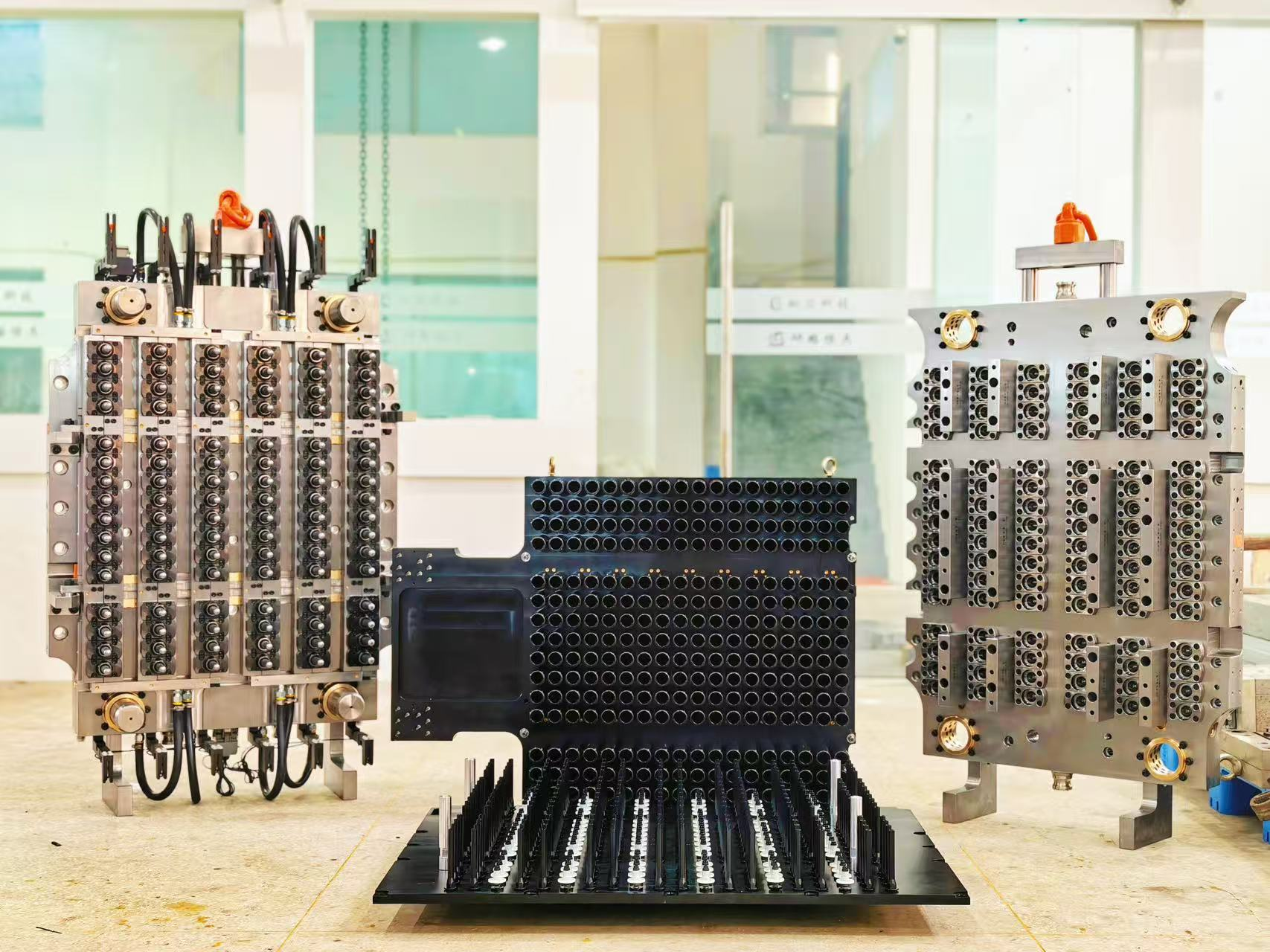
Kuchuluka kwa jakisoni wa PET preform mold kumakhazikika ndikuyikidwa molingana ndi kuchuluka kwa kupanga, mtundu wazinthu, ndi zofuna za makasitomala, ndi masinthidwe amakampani akuluakulu kuphatikiza 16, 24, 32, 48, 64, ndipo 96 mapanga, kukhudza zochitika zonse zopanga kuyambira pakupanga mayeso ang'onoang'ono amisonkhano mpaka kupanga fakitale yayikulu yopanga makina ambiri. Kuchuluka kwamtundu uliwonse kumafanana ndi matani a makina, nthawi yozungulira, ndi kupanga bwino, kupanga makina okhwima ofananira ndi mafakitale.
The 16-chivundikiro chamkati ndiye masinthidwe oyambira kwambiri olowera, makamaka oyenera mafakitale ang'onoang'ono processing, mabizinesi oyambira atsopano, ndi makasitomala okhala ndi maoda ang'onoang'ono ndi ma batchi ambiri. Nthawi zambiri amafanana ndi makina opangira jakisoni a 200T-250T, ndi nthawi yozungulira yokhazikika ya masekondi 10-15, otsika zida ndalama ndalama, flexible nkhungu m'malo, ndi zovuta kukonza, zomwe zimatha kukwaniritsa zofunikira zopanga maoda ang'onoang'ono a mabotolo amadzi amchere, mabotolo amankhwala ang'onoang'ono tsiku lililonse, ndi mabotolo a zakumwa.
The 24-ziboliboli ndi 32-cavity nkhungu ndi masinthidwe otchuka kwambiri pamsika, za kapangidwe ka sing'anga-voliyumu. Zofanana ndi makina a 270T-380T othamanga kwambiri a servo, nthawi yawo yozungulira imatha kuyendetsedwa mokhazikika pamasekondi 8-12. Zosintha ziwirizi zimatengera mtengo wa zida, zotuluka, ndi kulephera mlingo, kupeŵa mphamvu zochepa za nkhungu zotsika kwambiri komanso chiwopsezo chachikulu chokonza nkhungu zapamwamba kwambiri. Amagwiritsidwa ntchito kwambiri popanga ma preforms amadzi amchere amchere, zakumwa za carbonated preforms, ndi zipatso za botolo la zipatso preforms, ndipo ndi chisankho chomwe chimakondedwa pamafakitole ambiri apakatikati a preform processing.
The 48-zibowo ndi 64-cavity nkhungu ali m'makonzedwe apamwamba kwambiri opanga misa, yomwe ikufuna makina a 450TT akatswiri othamanga kwambiri komanso okhazikika komanso olondola. Izi zitha kukhala zoyenera kwa opanga akuluakulu okhala ndi madongosolo akuluakulu okhazikika komanso zofunikira zotulutsa tsiku lililonse. Ndi nthawi yozungulira yokhazikika ya masekondi 9-11, makina awo omwe amapangidwa tsiku ndi tsiku ndi apamwamba kwambiri kuposa nkhungu zapakatikati, kuchepetsa kwambiri ndalama zopangira ma unit ndikukweza mpikisano wamsika.
The 96-Mphepete mwa ultra-high-cavity mold ndi masinthidwe apamwamba a mafakitale, yofanana ndi 600T ndi pamwamba pa makina akuluakulu odzipangira okha othamanga kwambiri, Amagwiritsidwa ntchito popanga zida zazikulu zazikuluzikulu zofananira pazakumwa zazikulu ndi maoda a fakitale yamadzi. Ngakhale nkhungu zokhala ndi ultra-high-cavity zimakhala ndi zotulutsa zambiri, ali ndi zofunika kwambiri makina molondola, kuzizira dongosolo bata, ndi zothandizira pa malo, ndi ndalama zambiri zogulira zida ndi kukonza, ndipo si oyenera mafakitale ang'onoang'ono ndi apakatikati. Kuphatikiza apo, kuchuluka kwa pabowo kumafunikanso kufananizidwa ndi zomwe zidapangidwa: ma preforms a botolo lalikulu la m'mimba mwake, mafuta botolo preforms, ndi ma preforms okhala ndi ziwiya zazikulu sizoyenera nkhungu zopindika kwambiri chifukwa cha kuchuluka kwawo kwachidutswa chimodzi., ndipo makamaka kutengera 16-32 patsekeke kasinthidwe.
Makasitomala akhoza kusankha yoyenera nkhungu patsekeke kuchuluka malinga ndi dongosolo lawo bata, zotuluka tsiku ndi tsiku, ndi bajeti kuti mupeze phindu labwino kwambiri lopanga.
ngati mukufuna thandizo, whatsapp + 86 18958305290
Blog chiweto
Mwinanso mumakonda
Koperani ©2013 | Malingaliro a kampani China Ningbo Yongjiang Plastic Machinery Co., Ltd. | Mapu atsamba
Utumiki
Yongjiang wothandizira wanu wodalirika!
Jambulani izo, Lankhulani zabwino
